OEM and ODM are useful terms for opening a conversation, but they do not describe every responsibility in a project. Two enquiries using the same label can require very different amounts of design, engineering and production preparation.
Before choosing a development path, make a practical inventory of what exists today and what your team expects a partner to deliver.
Start with the work already completed
Your project may have an approved industrial design, mechanical drawings, electronics documentation and a tested sample. Or it may have only a product concept and a set of customer needs. Many projects sit between those points.
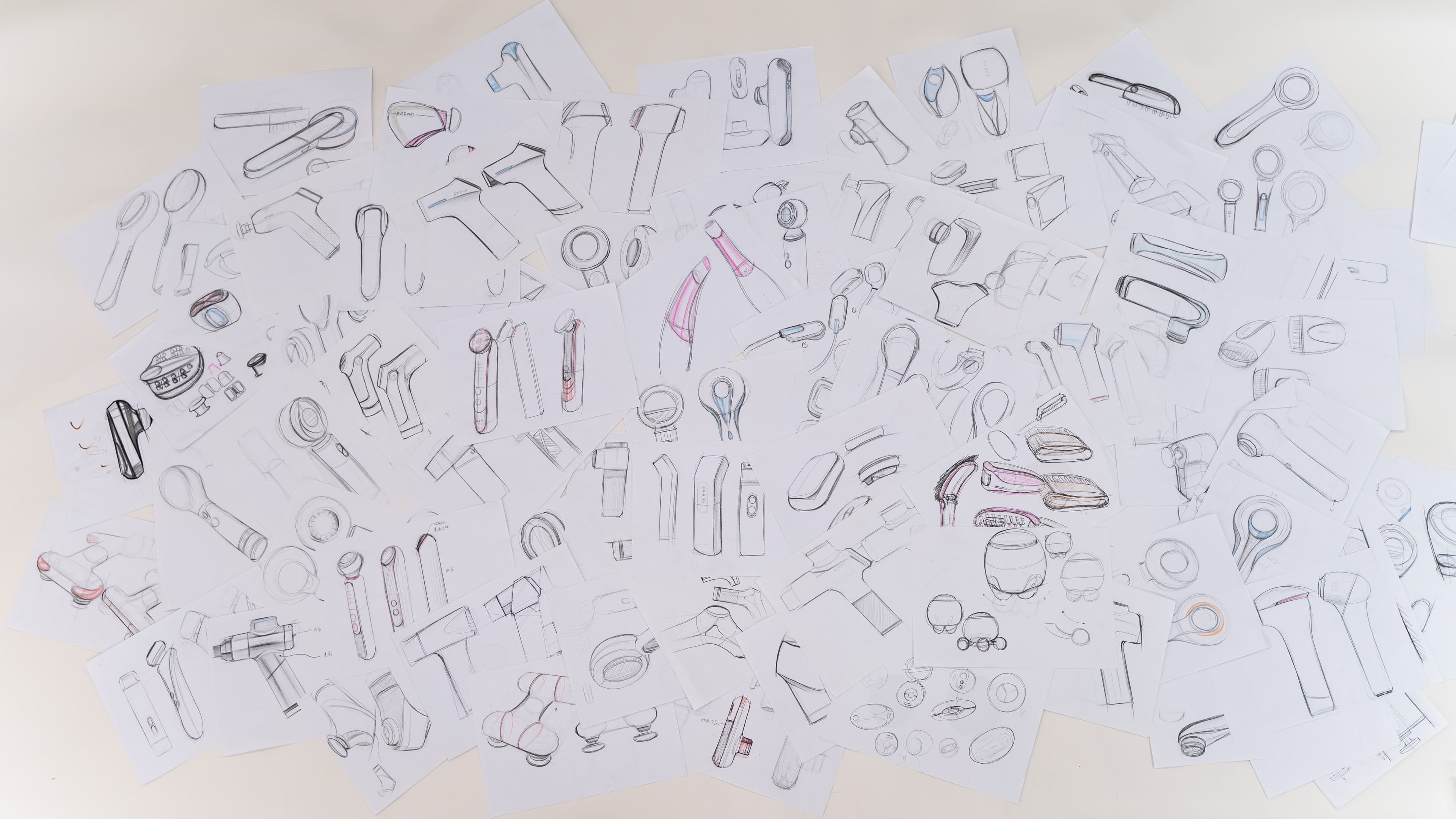
List the files, samples and decisions that are available. Mark which are approved, which are exploratory and which need to be reviewed. A presentation rendering, for example, communicates appearance but may leave internal layout and assembly decisions open.
Use the labels to frame the conversation
In an OEM discussion, the starting point is often an existing design or specification that needs manufacturing support. In an ODM discussion, the partner may also help turn requirements into a developed product. Actual scopes vary, so the project agreement should spell out the work rather than rely on the label alone.
BaiChang's development conversations focus on helping brands move from an idea, reference sample or specification towards a product that can be manufactured. Explaining the work you need is more useful than trying to fit your enquiry into a single term.
Agree who makes each decision
Define how the brand and partner will work together on appearance, functions, materials, samples, testing and production approval. Identify who consolidates comments and who can approve a change.
- Who provides the intended user experience and product requirements?
- Who develops and reviews the mechanical and electronic design?
- Who evaluates samples against the agreed criteria?
- Who supplies packaging artwork and product information?
- Who approves the final specification before production?
Some responsibilities will be shared. Writing them down makes handovers easier and helps prevent an unanswered question from becoming an assumption.
Describe deliverables at each stage
Ask what you should expect to review: a concept proposal, design files, a functional prototype, a revised sample or a production specification. Agree what each deliverable should demonstrate and which decisions it is intended to support.
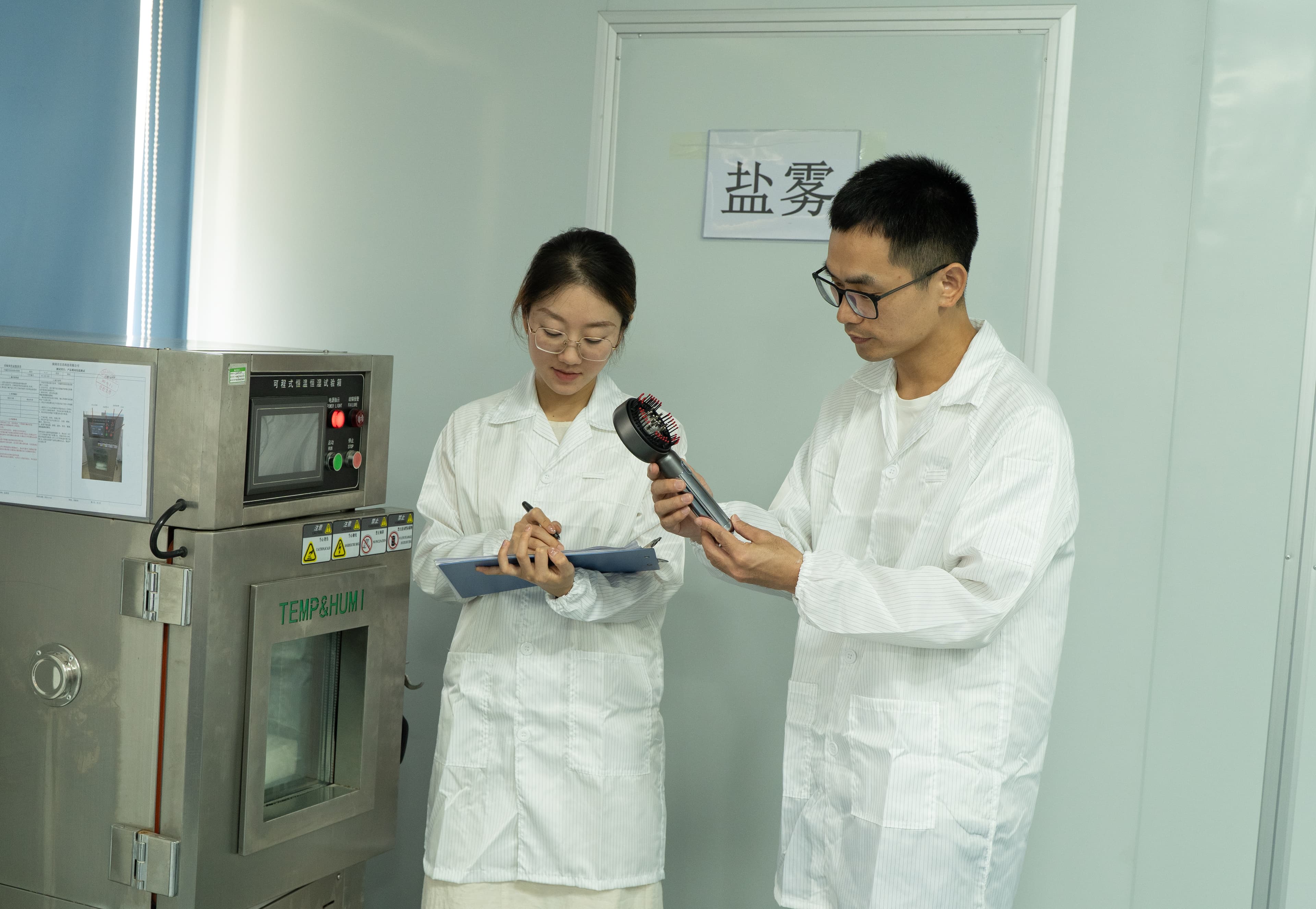
Also discuss how changes are recorded. If a new feature is added after a sample review, the team should identify which documents, components, checks and schedule assumptions need to be revisited.
Bring a project brief to the first discussion
A productive enquiry can be short. Explain the product category, your starting materials, the work you need help with and your intended markets. Include target timing and volume assumptions when you have them.
If your team already has a design, explain where support is still required. If you are starting with an idea, identify the outcome you want and the questions you need engineering input to resolve. That gives both teams a concrete basis for discussing scope and the next step.
Words by Shenzhen BaiChang Technology Co., Ltd.
Explore our development approach ↗